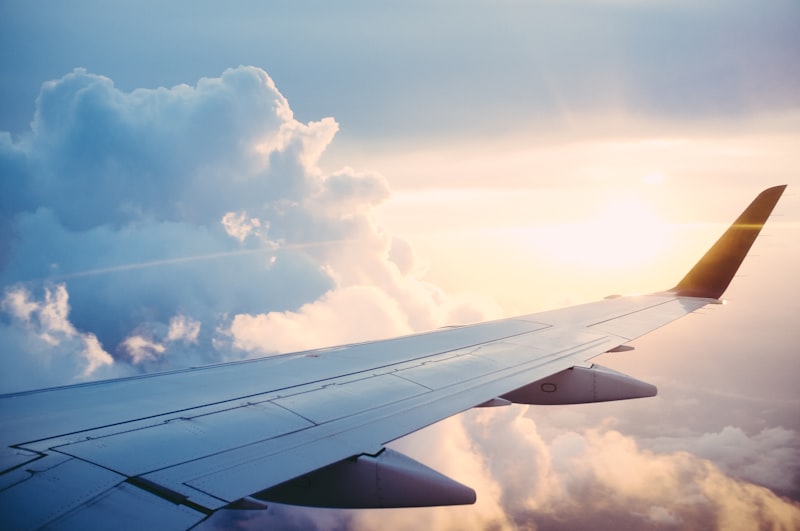
I used to dread business travel. Long-haul flights in cramped economy seats, hotel rooms that looked nothing like their photos, rental cars with mystery stains, airports that seemed designed to maximize stress. After a particularly brutal stretch of 14 flights in 30 days, I decided to figure out what actually separates comfortable business travel from miserable business travel.
Five years later, I've refined a system that makes business travel something I actually don't mind—and sometimes genuinely enjoy. The key insights weren't obvious from travel blogs or business magazines. They came from observing what experienced road warriors actually do differently from occasional travelers.
Master the Art of Business Class Timing
The single biggest quality-of-life improvement in business travel is getting upgrade strategies right. If you're flying long-haul for work, business class isn't indulgence—it's productivity and recovery. Arriving at your destination wrecked affects everything: your performance in meetings, your ability to make decisions, your mood with colleagues. The math works out when you account for how much you're paying in hourly rate versus how much an extra day of effective performance is worth.
When I can't book business class directly, I focus on positioning upgrades strategically. Booking the first flight of the day, when planes are emptier, increases upgrade probability. So does selecting seats in specific rows that have better upgrade availability. Loyalty programs matter too—status gets you complimentary upgrades that make a massive difference over time.
Hotel Selection Is Everything
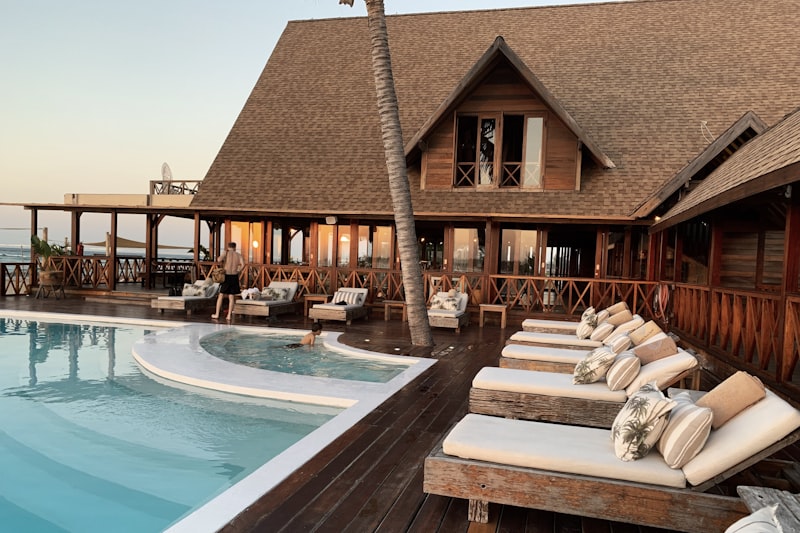
Not all business hotels are equal, even in the same chain. I've stayed at two different Four Seasons properties that felt like completely different experiences. Location within the city matters enormously—amazing amenities mean nothing if you're spending 90 minutes in traffic getting to meetings. I now book based on proximity to where I'll actually be working, not brand loyalty alone.
For extended stays, I prioritize properties with proper workspaces, reliable high-speed internet, and laundry facilities. After two weeks in a standard hotel room, you start going slightly insane from living out of a suitcase. Residences and extended-stay properties are worth the premium for trips longer than five days. The ability to cook simple meals, have actual desk space, and do laundry transforms the experience.
Pack Like a Surgical Striker
The elite business traveler packs with surgical precision. I aim for a single carry-on bag for trips up to five days, period. The discipline of living out of one bag changes your relationship with travel—you move faster through airports, you never wait for checked luggage, you eliminate the risk of lost bags entirely. Use our Packing List Generator to build a streamlined kit that's actually appropriate for your specific trip.
What goes in that bag matters more than the bag itself. I pack two complete outfits plus one extra, all of which work together. Everything matches everything else. I bring shoes that work for both business and casual contexts, a jacket that dresses up or down, and technical fabrics that don't wrinkle and dry quickly if hand-washed. Liquids go in a single quart bag because I've memorized exactly what TSA will flag and what they won't.
Time Zone Management
Crossing time zones destroys productivity for 2-3 days unless you manage it actively. I've developed a system that helps me adjust faster: start shifting meals and sleep time two days before departure, use strategic light exposure on the plane to reset your circadian rhythm, and front-load the hardest work during the adjustment period when you're running on adrenaline.
The day arrival matters enormously. Book flights that arrive in the late afternoon or early evening local time. Arriving at 7 AM local time means you're fighting your body for the entire first day, usually collapsing by 9 PM and then waking at 3 AM in a panic. A late afternoon arrival lets you have dinner, stay up until a reasonable hour, and sleep through the night. Use our Time Zone Converter to plan your schedule around critical meetings.
Airport Strategy Beyond Lounge Access
Lounge access is nice but not transformative. What matters more is understanding security pre-clearance programs like Global Entry and TSA PreCheck—they eliminate the most soul-crushing parts of airport transit. Apply for Global Entry regardless of how often you fly; the interview process is straightforward and the five-year membership pays for itself on the first international trip.
I select credit cards that provide lounge access not because I spend hours in lounges but because they also provide travel protections: trip cancellation coverage, baggage delay reimbursement, and most importantly, rental collision insurance that lets me decline the rental company's outrageously priced insurance.
Maintaining Wellbeing on the Road
The secret to sustainable business travel is treating your body as the instrument of your professional performance. Jet lag, poor sleep, bad food, and sedentary days compound into something that affects your decision-making, your energy, and ultimately your career outcomes.
I prioritize three things: movement, sleep quality, and food choices. A 20-minute hotel gym session keeps everything functioning. A white noise app and eye mask create sleep quality even in mediocre hotels. And I make intentional food choices instead of eating whatever's convenient—usually something with protein and vegetables instead of the default conference catering or airport food.
Business travel doesn't have to be miserable. With the right systems and priorities, it can actually become something you look forward to—the focus of being on the road, the novelty of different cities, the achievement of closing deals and building relationships in person. The investments you make in comfort and efficiency pay back in sustained performance over the long run.