I've spent the better part of the last decade staying in some of the world's most exclusive resorts, and if there's one thing I've learned, it's that the difference between a good vacation and an unforgettable one comes down to where you choose to go. Not just the property—though that matters—but the destination itself. The culture, the views, the little moments that add up to something special.
After a particularly grueling Q4 at work, I needed to disappear somewhere extraordinary. Not just somewhere nice—somewhere that would reset my entire perspective. I ended up booking a last-minute week at a private villa in Positano, and I spent seven days doing absolutely nothing except eating impossibly fresh seafood, swimming in water so blue it looked edited, and remembering what it felt like to actually relax. That trip reminded me why I started traveling in the first place.
Whether you're planning a honeymoon, an anniversary escape, or just a reset week away from your daily life, here's where I believe you should be spending your precious vacation days in 2024.
The Amalfi Coast, Italy
No list of luxury destinations is complete without the Amalfi Coast. The cliffside towns of Positano, Ravello, and Amalfi itself have been attracting discerning travelers since the 1950s, and they remain as relevant as ever because nothing has replicated what they offer: dramatic coastline, exceptional food, and that particular Italian elegance that can't be manufactured elsewhere.
The key to doing the Amalfi Coast right is choosing your base carefully. Positano gets the most press, and rightfully so—its colorful buildings cascading down to the sea are exactly as photogenic as the Instagram posts suggest. But it's also expensive and crowded during peak season. Ravello, perched high above the coast, offers more tranquility and equally spectacular views without the tourist crowds. I've stayed in both, and I'd recommend Ravello for anyone seeking romance and Positano for first-time visitors who want to be in the center of the action.

Villa rentals in this region have become increasingly sophisticated. Many now come with private chefs, concierge services, and access to exclusive beach clubs. Use our Trip Budget Calculator to plan your Amalfi escape—the region is not cheap, but it's worth every euro.
The Maldives
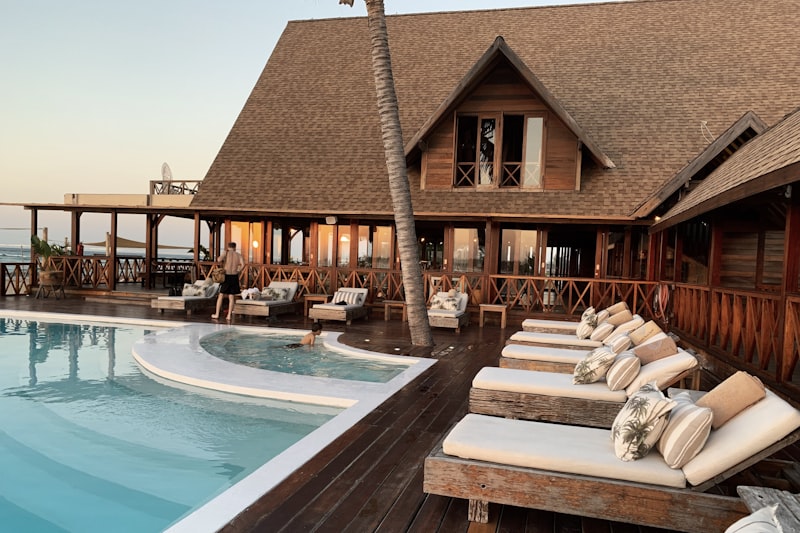
The Maldives remains the gold standard for overwater luxury. While some travelers dismiss it as "overdone," I think that perspective comes from never having actually been. Yes, there are many resorts across the archipelago, but the best ones offer experiences that genuinely can't be replicated elsewhere.
What sets exceptional Maldivian resorts apart is the privacy and the marine environment. Waking up in an overwater villa with direct ocean access, watching manta rays swim beneath your glass floor, dining on a private sandbank—these aren't manufactured experiences. They're moments that feel genuinely removed from regular life.
The new generation of Maldivian resorts has pushed further into exclusive experiences: underwater restaurants at depths of meters, floating villas that reposition based on tides, spas built into the actual reef ecosystem. If you're celebrating something important—a honeymoon, an anniversary, a milestone birthday—the Maldives delivers on the promise of a once-in-a-lifetime experience.
Kyoto, Japan
For a different kind of luxury—one rooted in refinement, history, and contemplative beauty—Kyoto remains unmatched. The ancient Japanese capital offers a form of sophisticated travel that no other destination quite replicates: centuries-old temples, traditional ryokan inns, zen gardens designed to induce meditation, and a food culture that has been refined over generations.
I've stayed in both Western hotels and traditional ryokans in Kyoto, and the ryokan experience is genuinely different in a way that Western luxury properties aren't. Slipping into a yukata robe after an onsen bath, sleeping on tatami mats with a futon, watching a kaiseki breakfast materialize with seasonal precision—these experiences require adjusting your expectations of what a hotel should be, but the reward is something profoundly restful.
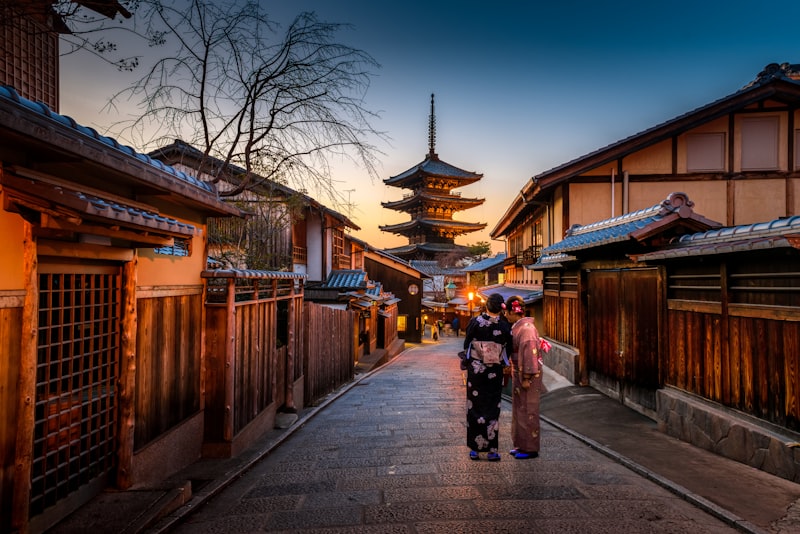
The best time to visit is during cherry blossom season in late March and early April, or during autumn foliage in November. Both are peak seasons, which means higher prices and more visitors—but the visual spectacle is genuinely extraordinary. For fewer crowds, consider late November or early December, when Kyoto is bathed in soft winter light and the city feels even more contemplative than usual.
The Greek Islands
Greece has always attracted travelers, but the Greek Islands have evolved into something particularly special for luxury seekers. Mykonos has its party scene, yes, but it also has some of the most elegant beach clubs and restaurants in the Mediterranean. Santorini, despite the Instagram crowds at sunset, rewards those who venture beyond Oia's famous viewpoints to discover quieter villages, extraordinary wineries, and volcanic beaches unlike anything else in Europe.
What's newer and more exciting is the emergence of lesser-known islands as luxury destinations. Paros, Milos, and Folegandros offer similar Cycladic beauty without the intensity of Santorini or Mykonos. They've attracted a creative class of hoteliers and restaurateurs who are creating properties with real personality—boutique hotels in renovated captain's houses, farm-to-table restaurants in olive groves, sailing trips to completely untouched islands.
A yacht charter around the Cyclades remains one of the most extraordinary ways to experience this region. During one memorable week, my partner and I island-hopped from Athens to Santorini via Syros, Patmos, and Antiparos, staying at properties we'd discovered through word of mouth. Each island had its own character, and the freedom of moving by sea—rather than fighting ferry schedules—was worth every penny of the charter cost.
Patagonia, Chile and Argentina
For travelers who've exhausted conventional luxury destinations, Patagonia offers something increasingly rare: genuine remoteness and the chance to feel like an explorer rather than a tourist. The landscapes are so dramatic—towering granite peaks, glaciers that calve into milky turquoise lakes, forests that have never been logged—that many visitors describe their time here as life-changing.
Luxury in Patagonia doesn't mean five-star chain hotels in city centers. It means private ecological lodges with floor-to-ceiling windows framing mountain views, gourmet cuisine sourced from local estancias, and excursions led by expert guides who've spent their lives in these landscapes. The best properties in Torres del Paine and El Chalten offer experiences that go far beyond hiking: private fly-fishing, horseback riding through Magellanic forest, whale watching from clifftop lookouts.
Planning Your Luxury Escape
The common thread across all these destinations is that they reward intentional planning. The best properties book up 6-12 months in advance, especially during peak seasons. If you're planning a special trip—a honeymoon, an anniversary celebration, a milestone birthday—start researching 12 months out and book at least 6 months ahead for the top properties.
Use our Trip Budget Calculator to get realistic about what your dream destination will cost. Luxury travel isn't cheap, but knowing the numbers in advance lets you make strategic decisions: whether to splurge on accommodation and economize on food, whether a shoulder-season visit makes financial sense, whether a longer trip at a lower cost-per-night beats a shorter trip at an ultra-luxury property.
The world is full of extraordinary places. The difference between a good trip and an unforgettable one often comes down to choosing the right destination for this particular moment in your life—and then planning well enough to actually experience it rather than just pass through it.